|
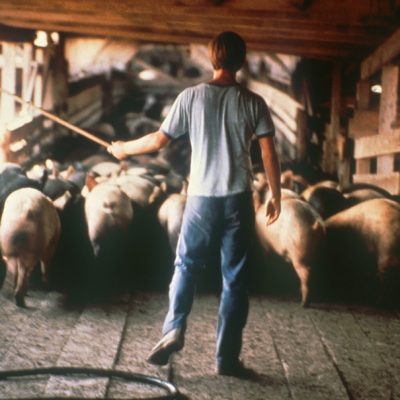
Cheap food prices and overflowing store shelves are hiding the true environmental and social costs of our food and agriculture systemrapid erosion and degradation of soil, the chemical contamination and depletion of our water, the loss of genetic diversity, the poisoning of wildlife and destruction of habitat, the loss of family farmers and impoverishment of rural communities.
The good news is that we now have an alternative. A growing number of farmers are choosing to work with nature, and are adopting farming practices that build up the soil, reduce runoff, create habitat for wildlife, treat livestock humanely and best of all, produce safe, wholesome food. But the most environmentally sound farming practices in the world mean little if they don't provide a good
income for the farmer.
Farmers using sustainable methods cannot prosper without the help of urban and rural consumers. As these farmers explore creative new ways to market their carefully grown products, consumers can support their choice to farm sustainably by purchasing those products listed in the Stewardship Farm Directory.
To assist you in preparing meals using locally grown, sustainably-raised products, see our collection of recipes. We also encourage you to hold your own local foods dinner (or potluck, cook-out, banquet, or brunch) to promote the connection between good food and good farming. We have compiled a Local Food Dinner Planning Guide with
a few suggestions and resources to get you started.
To learn more about LSP's efforts to create a regional food system that provides market opportunities for sustainable farmers and offers consumers wide choices for healthful food visit our Programs section.
|
|
top
Stewardship Farm Directory
|
Buy food from a sustainable farmer!
Chemical-free fruits, vegetables, and grains, antibiotic and hormone free meats,
free-range chickens and eggs, milk and cheese from grass-fed cows, and more.
|
 |
The Stewardship Farm Directory (available as a PDF document) is a list of LSP member-farmers and retailers offering organic fruits, vegetables, and grains, antibiotic- and hormone-free meats, free-range chickens and eggs, milk and cheese from grass-fed cows, and more.
The list also includes food co-ops, restaurants, and food processors that carry products grown by LSP members. Paper copies are also available by e-mailing LSP's Metro office or by calling 612-722-6377. Contact LSP if you would like to be added to the listing.
Community Supported Agriculture (CSA) Directory
Each Spring, the Land Stewardship Project publishes a directory of Community Supported Agriculture (CSA) Farms. When you purchase a "share" in one of these farms you receive a weekly delivery of organically grown produce during the growing season. But CSA consumers dont so much "buy" food from particular farms as become "members"
of those farms. CSA operations provide more than just food, they offer ways for eaters to become involved in the ecological and human community that supports the farm. The CSA directory is also available as a PDF document or in print.
Pride of the Prairie
Pride of the Prairie is working to increase the variety and amount of locally produced foods in restaurants, grocery stores and institutions in western Minnesota. This initiative is led by the Land Stewardship Project and farmers in the Upper Minnesota River Valley. The other partners in this collaborative effort are the West Central Regional Sustainable Development Partnership, the University
of Minnesota-Morris, West Central Research and Outreach Center and Prairie Renaissance.
Pride of the Prairie sponsors local food meals, researches the availability of local foods and publishes fact sheets. This initiative is also working to develop networks involving farmers, consumers, processors, retailers and institutional food service providers. One of Pride of the Prairie’s main tools for doing this is the annual publication of There’s No Taste Like Home:
Local Foods Guide for the Upper Minnesota River Valley. This guide lists farms that produce food for direct marketing, as well as retailers that handle local food. In addition, this resource contains a sustainable food vocabulary guide, a seasonal food guide, a listing of farmers’ markets and information on serving local foods at an event.
For more information, contact LSP’s western Minnesota office at 320-269-2105 or go to www.prideoftheprairie.org. Resources mentioned above, including the Local Food Guide can be found directly in the Resources section of the Pride of the Prairie website.
Buy Fresh Buy Local St. Croix River Valley
In 2007 the Land Stewardship Project launched an effort in the St. Croix River Valley to encourage unconventional agriculture and build community-based food systems. With the help of a seed grant from the Hugh J. Andersen Foundation, we are organizing a local chapter affiliate of the Food Routes Network to develop a St. Croix River Valley Buy Fresh Buy Local Campaign. The goals of the St. Croix River Valley Buy Fresh Buy Local (BFBL) campaign are to expand local markets for local growers, increase the consumption of fresh, healthful food in the St. Croix River Valley, diversify the economic base, and protect ecological and scenic resources in the region by reconnecting food systems with ecosystems.
This project is guided by a steering committee that includes staff from the Minnesota Food Association, Women's Environmental Institute, University of Wisconsin Extension and the West Wisconsin Land Trust. A Community Supported Agriculture (CSA) farmer and an independent organizational development specialist are donating time to the steering committee. An advisory committee of farmers, chefs and community activists are also helping shape the project. During 2007, we will be inviting growers, processors, retail groceries, restaurants, tourist agencies, arts organizations and other community groups to become BFBL partners and support the larger movement to develop sustainable local food systems in the St. Croix River Valley.
For more information on Buy Fresh Buy Local St. Croix River Valley, click here.
Food Alliance Midwest
Food Alliance Midwest (FAM) is a third-party certification program that uses a certification seal in a public education and consumer awareness campaign to support local farms and foods. By looking for the FAM certification seal, consumers can choose and purchase foods from farms that are local, environmentally friendly, and socially responsible. Food
Alliance Midwest is the only certification that combines these healthful elements into one certification seal.”
top
Buy Local Brochure
The Land Stewardship Project has developed a handy brochure on how consumers can support local farmers who are using sustainable methods to produce food. It contains information on certification labels such as the Food Alliance Midwest (FAM), resources for buying direct and tips on other ways to support a local food system. This brief fact sheet is perfect for local foods dinners, farmers
markets and other similar venues. Click here for a PDF version of the Buy Local brochure. For information on obtaining the Buy Local brochure in print, contact us at info@landstewardshipproject.org or
612-722-6377.
Local Foods Dinner Planning Guide
The Local Foods Dinner Planning Guide has been prepared to give you some ideas and suggestions on how to get started. It also contains information on why holding this kind of an event is important. Our food choices make a difference when we buy from local farmers who are working hard to farm in ways that preserve soil, protect water, and support their natural and human neighbors.
Bringing people together around good food provides an excellent opportunity to educate and engage them in the issues of food and land stewardship while enjoying an excellent meal and lively conversation.
We hope this planning guide is helpful. Comments, suggestions and additions are welcome — call us 612-722-6377. We would also appreciate if you would return the feedback form included with this guide. It will help us learn from your experiences and in turn
pass that learning on to others.
Resources to help you plan a Local Foods Dinner:
Planning Questions and Ideas
Planning Checklist
Recipes from past dinners
Lessons from other dinners
Feedback Sheet
Stewardship Food Directory - a listing of farmers in the Midwest selling sustainably raised food
Buying Directly From a Farmer fact sheet (PDF document)
"Guidelines to Increase the Use of Local Foods at Meetings" brochure can be found at the Society for Nutrition Education website.
A Guide to Serving Local Food at Your Next Event By Gary L. Valen and Meredith R. Taylor
Resources to introduce your guests to the Land Stewardship Project:
Land Stewardship Project Brochure
Land Stewardship Project Description and History
Land Stewardship Project Program Information
Land Stewardship Project Benefits of Membership
top
Land Stewardship Project Local Food Handling Guidelines
The Land Stewardship Project has helped develop a series of three fact sheets that provide guidelines on legally and safely selling food into local Minnesota markets. The three fact sheets are:
• Sale of Shell Eggs to Grocery Stores & Restaurants in Minnesota. Click here for a pdf copy.
• Sale of Meat & Poultry to Grocery Stores & Restaurants in Minnesota. Click here for a pdf copy.
• Providing Safe, Locally-Grown Produce to Commercial Food Establishments & The General Public in Minnesota. Click here for a pdf copy.
Links to Other Food & Farm Resources
|
Community Food & Farm Festival
The Community Food and Farm Festival is an annual event at the Minnesota State Fairgrounds in Saint Paul that is sponsored by the Land Stewardship Project. This event provides an opportunity for consumers to network with local farmers who are producing food using sustainable methods. Click here to find out more.
Get involved in the Food and Farm Festival! We are seeking volunteers to assist with set-up and clean-up as well as volunteers to staff the LSP booth and Farm Festival areas. The 2009 event is May 2 and May 3, from 10 a.m. to 6 p.m. on Saturday, and from 10 a.m. to 5 p.m. on Sunday.
Please contact LSP's Georgia Rubenstein at intern@landstewardshipproject.org or 651-261-9684 if you are interested in helping out. |
|
Chef2Chef
Sign up for the Recipe Club and receive a free recipe each weekday via e-mail. The Web site also has a searchable database of 280,000 recipes.
www.chef2chef.com
|
|
Eat Wild
Eat Wild provides research and resources related to the benefits of grassfed meat, milk and eggs and offers a directory of small farms in the U.S. and Canda that raise their livestock on high-quality pasture. The site is hosted by Jo Robinson, author of Why Grassfed is best. www.eatwild.com
|
|
Farm to Family
Farm to Family offers a Food and Farm product finder for family farmers and direct marketers in NE Nebraska and SE South Dakota. www.farmtofamily.net
|
|
Farm to Table
Farm to Table is a resource that provides information on how to connect to New York State farmers and vintners, find out who they are, what growing practices they use, and how and where you can buy their products. It also provides food news from all over the globe, a forum to discuss food and environmental issues, a way to learn about sustainable agriculture & sustainable cuisine,
recipes, and more. www.farmtotable.org
|
|
Food Routes
The FoodRoutes Network is an initiative dedicated to nurturing strong regional markets for locally grown foods. FoodRoutes has partnered with the Land Stewardship Project and nine other community-based nonprofit organizations from across the country. Each group is developing a "Buy Local" marketing campaign that will help bridge the gaps between community farmers and consumers.
The FoodRoutes Web site features a nationwide directory of local, sustainable farmers, farmers' markets and Community Supported Agriculture (CSA) farms that sell fresh fruits and vegetables, pastured poultry, hormone-free dairy products, grassfed beef, and more. The site also has a Community Food Market where consumers can use their computers to buy food directly from family farmers.
There are also auctions and classifieds where producers can buy and sell equipment, livestock, farm supplies, and more. www.foodroutes.org
|
|
Java River Cafe
Java River Cafe Sustainable Community Cafe located in downtown Montevideo, Minnesota, houses the Prairiefare.com kiosk as a way for customers to connect with the Western Minnesota Natural Farm Produce farmers. www.javarivercafe.com
|
Lake Superior Local Farm Products Directory
The Lake Superior Sustainable Farming Association has developed a Local Farm Products Directory for the northeast Minnesota and northwest Wisconsin region. The Directory lists 38 farms and 23 farmers' markets where consumers can get fresh, local, sustainably-produced meat, dairy products, vegetables, fruit and various other items. Community Supported Agriculture (CSA) farms are listed as well. The Directory is available at www.lakesuperiorfarming.org. Paper copies are available by calling 218-393-3276 or e-mailing info@lakesuperiorfarming.org. |
|
Local Harvest
Local Harvest is a web site designed to help direct-market farmers reach local consumers through the Internet. Local Harvest lets consumers all over the country search for community supported agriculture (CSA), farmers' markets, farm stands, U-pick farms and direct marketing farmers in their area. LSP farmer-members are encouraged to list their farm at this site. Currently there is no
fee to be listed; however, in 2002 LSP members will receive a discount on the expected fee. www.localharvest.org
|
Midwest Food Connection
The Midwest Food Connection is a Minneapolis-based nonprofit that specializes in teaching children about natural foods, healthful eating and sustainable agriculture. By sending licensed educators into the elementary classroom, this organization teaches over 7,000 children at 60 schools annually. The Midwest Food Connection’s website describes its curriculum offering in detail and allows you to request lessons for your school. See www.midwestfoodconnection.org for more information. |
|
Minnesota Grown
Minnesota Grown is another resource to help you locate fresh, high quality, Minnesota Grown agricultural products. This site also serves as a connection from the MN Grown program to growers and as a communication tool for other special projects. The site contains searchable and downloadible versions of the Minnesota Grown and Specialty Meats directories and tips for buying directly from
farmers. www.mda.state.mn.us/mngrown/
|
|
Natural Beef Growers Network
The Mission of the Natural Beef Growers Network is to introduce consumers of clean, healthy, humanely raised meats to independent family farmers and ranchers who produce them. The needs of the animals are priority-clean water, fresh air, open space, appropriate feed and shelter, the opportunity to grow up as naturally as possible. Complimenting these farms and ranches are families that
want the best possible food. Food grown in a manner that enhances the health of the people who eat it and the land on which it is grown. http://soarizona.net/greatbeef/index.html
|
|
Organic Alliance
The Organic Alliance has recipes, information, and links about organic farming. It also contains a list of retail grocery stores in Minnesota that sell organic foods. www.organic.org
|
|
Organic Valley of Farms
Organic Valley Family of Farms is the largest organic farmer-owned cooperative in North America. Their mission is to foster a strong connection between rural organic farm families and our urban dwelling neighbors. By encouraging fair trade, they endeavor to revitalize the proud heritage of family farming, support sustainable agriculture, and encourage the stewardship of the Earth and her
creatures. www.organicvalley.com
|
|
Poughkeepsie Farm Project
The Farm Project is another excellent, comprehensive source of information on CSA Farms. Based in Poughkeepsie, New York, the Farm Project website also includes delicious recipes. www.farmproject.org
|
|
Prairiefare.com
Prairiefare.com is a collection of farmers in Western Minnesota who raise and sell sustainably-produced beef, chicken, vegetables, lamb and other products. www.prairiefare.com
|
|
REAP: Research, Education, Action & Policy on Food Group
The REAP Food Group is an informal grassroots organization that promotes the development of an environmentally sustainable, economically just, and healthful food system in and around Madison, Wisconsin. www.reapfoodgroup.org
|
|
Renewing the Countryside
Renewing the Countryside (like the book) showcases outstanding examples of people working to enhance their rural communities and regions. Many people are adopting new ways of living, managing their land, and doing business that improve their communities, the environment and their lives. Many LSP member farmers are featured in this Minnesota resource. www.mncountryside.org
|
|
Seafood Choices Alliance
The Seafood Choices Alliance seeks to bring ocean conservation to the table by providing the seafood sector - fishermen, chefs and other purveyors - with the information they need to make sound choices about seafood and provide the best options to their customers. By working collaboratively with partners from conservation organizations, they connect professionals from the seafood and conservation
community. www.seafoodchoices.com/index.html
|
|
Seasonal Food Guide
The Pride of the Prairie local foods initiative has developed a Seasonal Food Guide for the Upper Minnesota River Valley. This one page fact sheet provides information on what products are locally available during each of the four seasons (and year round). Although written with the Upper Minnesota River Valley in mind, many of the foods listed here are available seasonally in other areas
of the Upper Midwest. Download the guide in PDF format.
|
SE MN Regional Haulers' List
The Land Stewardship Project has developed a "Haulers’ List" of some of the food transportation companies serving the Twin Cities/southeast Minnesota/western Wisconsin corridor. The one-page document offers a snapshot of a limited number of firms that are willing to work with small- and medium-scale farmers in getting their products to market. Telephone and e-mail information is included on the Haulers’ List so that producers can contact firms directly to explore transportation arrangements. This list is not exhaustive, and does not represent an endorsement of any company included on it. A pdf copy of the list is available here. |
|
Whole Farm Coop
Whole Farm Coop represents 30 member families in Central Minnesota. It is committed to creating farms that nourish families spiritually and economically, sustain the environment, and with providing eaters not only with safe wholesome food but with a clear sense of who and where their food came from. It seeks to create urban and rural links as well as linking with farmers from around the
world who are involved in the struggle to create a sustainable agriculture for all of us. www.wholefarmcoop.com
|
|
The Youth Farm and Market Project (YFMP)
YFMP is a nonprofit organization based in the Twin Cities that works with youth ages 9-16 on issues of urban agriculture, community based food systems, nutrition and healthy lifestyle, as well as youth leadership and community involvement.
www.youthfarm.net
top
|
|