Search Results

Searched for: indiana no till planter

A Sense of Where You Are: The Snowball Effect

Part 10 in a Series

Note: This is the 10th installment in the 12-part “A Sense of Where You Are” series.  There’s nothing like getting diminishing returns on your investment in time, labor, and resources to put things in context. “I just got sick and tired of spending money on fertilizer, planting in the dry powder, and watching the soil blow…  Read More

Soil Health: When the Neighbors Take Notice

Background: Land Stewardship Project Soil Builders Network member Willie Erdmann raises corn, soybeans, cover crops, hay, small grains, 100 beef steers and 25 beef cows on 300 acres near Ridgeway in southeastern Minnesota. On cropland, Willie is now almost entirely no-till, and has been using cover crops steadily since 2013. Here he shares his thoughts…  Read More

A Healthy Hub of Activity

1st in a Series on LSP's Soil Health Hubs

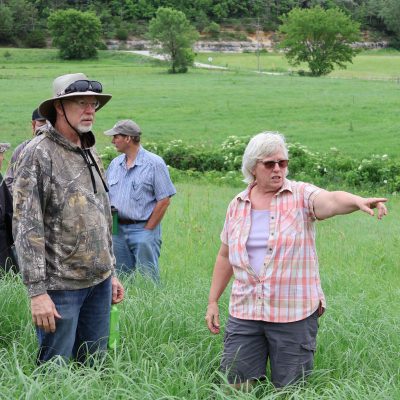
On an overcast morning in June, more than a dozen livestock producers gathered in the on-farm cabinetmaking shop of Leslea and Brad Hodgson, situated in the scenic hills near southeastern Minnesota’s Root River. Soon after taking seats on folding chairs arranged in a wide circle, the farmers answered an opening question: “Why am I here?”…  Read More

Soil Health: Eyes on the Underground Acres

Unearthing the Links Between Soil Health, Farm Profits & Water Quality Building soil health may be about bugs, bacteria, and biology, but justifying farming practices that nurture such a natural process often comes down to a human-generated gauge of success: how much money does it put (or keep) in the bank? On a sunny day…  Read More

Land Line: Lost Horizon, Nitro Overload, Drugs & Bugs, Meatpacker Compensation, Food System Control, Giving Back Through CSA, Farms & Groceries

Feb. 28: An LSP Round-up of News Covering Land, People & Communities New Evidence Shows Fertile Soil Gone From Midwestern Farms (2/24/21) National Public Radio reports on a new study showing the most fertile topsoil is entirely gone from a third of all the land devoted to growing crops across the upper Midwest. Highlights: The…  Read More