
Land Stewardship Project

Land Stewardship Project
  • About Us
    • Our Mission
    • Long Range Plan
    • Staff Directory
    • Board of Directors
      • LSP Board Committees
    • LSP Steering Committees & Working Groups
    • Contact Us
    • Past LSP Projects
    • Employment & Volunteer Opportunities
    • LSP Publications
    • Financial Statements
  • The Latest
    • Community Care
    • Songs for the Soil
    • CSA Farm Directory
    • Upcoming Events
    • News
      • News Releases
      • Media Contacts
      • LSP in the News
    • Blog
    • Podcast
    • Land Stewardship Letter
    • LIVE-WIRE Sign-up
    • Myth Busters
    • Fact Sheets
    • Farm Crisis Resources
  • For Farmers & Landowners
    • Farmland Clearinghouse
    • New Farmers
      • Farm Beginnings Class
      • Journeyperson Course
      • Farm Dreams
      • Accessing Farmland
      • Farmland Clearinghouse
      • Beginning/Retiring Farmer Tax Credit
      • Beginning Farmer Profiles
      • Fresh Voices Podcast Series
    • Retiring Farmers & Landowners
      • Farmland Clearinghouse
      • Farm Transition Course 2026
      • Conservation Leases
      • Beginning/Retiring Farmer Tax Credit
      • Land Transition Tools
      • Transition Stories
    • Soil Health
      • Cover Crops
      • Grazing
      • No-till
      • Microbiology
      • Kernza
      • Soil Builders’ Network
      • Soil Builders’ E-Letters
      • Soil Health Steering Committee Members
      • Ear Dirt Soil Health Podcast Series
    • Cropping Systems Calculator
    • Conservation Leases
  • Creating Change
    • Community-Based Food Systems
      • Ear Bites Community-Based Food Podcast Series
    • Policy Campaigns
      • Soil Health & Climate Change
      • Healthcare
      • Factory Farms
        • Anti-Competitiveness & Price Gouging
      • Federal Policy
        • A Farm Bill For Us
      • State Policy
        • MN Farm, Food & Climate Funding
      • Developing Leadership
    • Justice & Stewardship
    • Organizational Stewardship
  • Get Involved
    • Your Membership Matters
    • Take Action!
    • Upcoming Events
    • Land Stewardship Action Fund
    • Connect with LSP
      • Stay Connected
      • Join, Donate, or Renew Today!
      • Shop
      • Employment & Volunteer Opportunities
      • Legacy Giving
    • Network with LSP Members
      • Farmland Clearinghouse
      • Soil Health
    • Farmland Clearinghouse
  • Join, Donate, or Renew Today!
  • Stay Connected
  • Contact Us
  • Shop
Search
More...

Minnesota Farm Groups Applaud Governor’s Proposed Ag, Board of Water & Soil Resources Budgets 

Proposal Would Invest Tens of Millions of Dollars into Building Resiliency in Farm & Food System, Climate, Economy

January 27, 2022

Share

  • Facebook
  • Pinterest
  • email

SAINT PAUL, Minn. — Three Minnesota farm groups are applauding Governor Tim Walz’s budget proposals for the Minnesota Department of Agriculture and Board of Water and Soil Resources, which were released this week. The proposals strongly align with the vision for a thriving, abundant, and resilient countryside shared by the Land Stewardship Project (LSP), Hmong American Farmers Association (HAFA), and the Minnesota Farmers’ Market Association (MFMA), said leaders of these three groups.

The proposal includes:

• $12 million for a Minnesota Department of Agriculture healthy soils program to provide grants and technical assistance to landowners, local governments and other organizations.

• $26 million for a Board of Water and Soil Resources healthy soils program to provide grants and technical assistance to landowners, local governments and other organizations to plant cover crops, enroll conservation tillage, purchase equipment, purchase seed and amendments, or implement other field-scale conservation practices.

• $22 million for Soil and Water Conservation Districts.

• $3 million for the University of Minnesota’s Forever Green Initiative to create four pilot programs to establish supply chains for year-round crops, which will include risk management, post-production, processing, distribution and marketing.

• $2 million for services for Black, brown, and Indigenous producers and businesses.

• $1 million for Food and Agriculture Systems Planning Grants to local governments, regional planning organizations, and tribes to implement agriculture economic development plans, such as amendments to zoning ordinances, adding co-packing and community kitchens, and providing land to disadvantaged farmers.

• $500,000 for providing scholarships to agriculture workers involved in mediation and urban and specialty crops.

• $3 million for grants to livestock processors to purchase equipment and expand facilities.

• $1.5 million for meat processing employee recruitment and retention incentives.

•  $5 million for drought relief to livestock and specialty crop farmers.

• $5 million for Rural Finance Authority loans for drought, including for small and beginning farmers.

“Small scale immigrant and emerging farmers are vital to our local food system and we are proud to have the Governor’s agricultural budget support and recognize their effort,” said Hmong American Farmers Association executive director Janssen Hang. “This proposal provides equitable access and  opportunities for emerging farmers to be innovative in their approach, while enhancing and building a stronger, vibrant food and farming economy.

In the face of extreme weather, degrading topsoil, and economic challenges, major public investments in farming that provides public benefits will pay off now and well into the future, according to Hannah Bernhardt, a Pine County livestock farmer and member of the Land Stewardship Project’s Soil Health & Climate Steering Committee.

“Farmers deserve to have all the resources and support they need to build the health of their soil,” she said. “The Governor’s proposal is an investment in the resiliency of the land, the economic viability of our farmers and rural communities, and the health of our climate and water.”

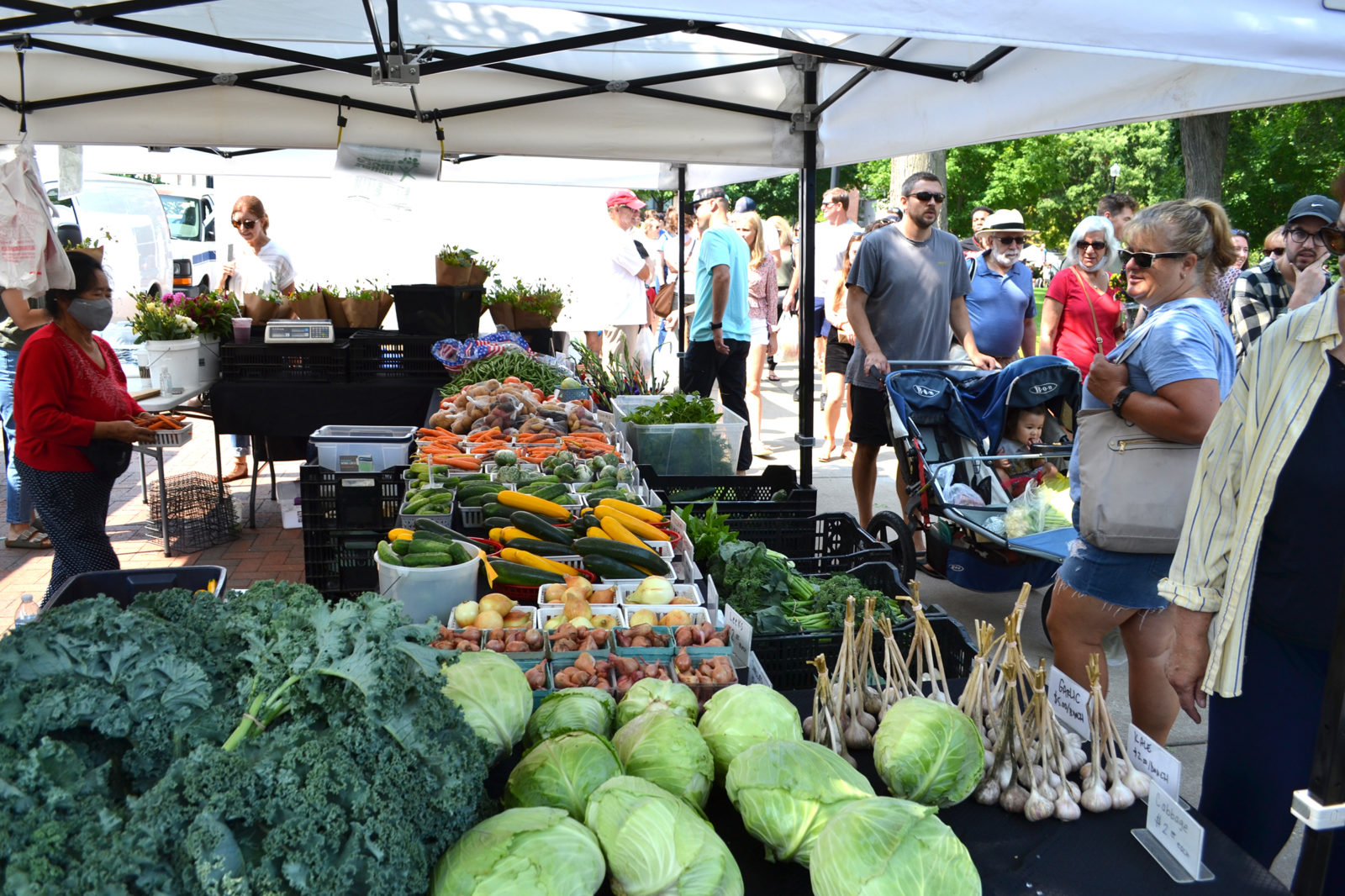
The COVID-19 pandemic also pulled back the curtain to reveal how fragile our food system currently is. Expanding local and regional processing and markets is more important than ever, according to Kathy Zeman, executive director of the Minnesota Farmers’ Market Association.

“We are super appreciative that Governor Walz’s administration and the Minnesota Department of Agriculture asked for input and listened to the concerns and needs of Minnesota’s food farmers and food makers,” she said. “This budget proposal includes solid support across our foodshed that will help make Minnesota much more resilient in growing food and feeding our people. We look forward to the conversations to secure this funding.”

-30-
 

Category: News Releases
Tags: BWSR • Gov. Tim Walz • Hmong American Farmers Association • local meat processing • Minnesota Department of Agriculture • Minnesota Farmers' Market Association • Minnesota Legislature • regional food systems • soil health • SWCD

Contact

Amanda Koehler, LSP policy manager, e-mail, 612-400-6355


Upcoming Events

×

January 2026

Thursday January 15

8:30 am – 3:00 pm
Minnesota Neonic Forum
Thursday January 15
8:30 am – 3:00 pm
Minnesota Neonic Forum
35838 120th St, Waseca, MN 56093, USA

Join the the University of Minnesota Extension Regional Sustainable Development Partnerships (RSDP) for the Minnesota Neonic Forum on Jan. 15, a free, one-day event. The forum will explore the science and practice behind neonicotinoid (“neonic”) use across Minnesota. Hear from researchers, farmers and local seed company experts as they share some of the latest findings on neonic effectiveness trials, environmental impacts, and emerging lessons about farmer tools for targeted neonic use from Cornell University.

This event offers a unique opportunity for respectful, research-informed dialogue about neonic use in agriculture.

Location: In person at the University of Minnesota Southern Research and Outreach Center. Note: a non-interactive webinar streaming of the event is available, though online registration is still required to access the live video.

For more information please see the attached event flyer for details about the 2026 MN Neonic Forum. For additional questions, contact Kathy Draeger, RSDP statewide director, at draeg001@umn.edu or Danielle Piraino, RSDP outreach specialist at pirai006@umn.edu.

Register here 

Tuesday January 20

5:00 pm – 8:00 pm
Making the Most of Each Acre: Integrating Livestock onto Cropland
Tuesday January 20
5:00 pm – 8:00 pm
Making the Most of Each Acre: Integrating Livestock onto Cropland
680 Byron Main Ct. NE Byron, MN 55920

In this interactive workshop, farmers will learn about important soil, finance, crop, and livestock concepts related to crop and livestock integration. In addition to presentations by Extension educators, participants will engage in activities to put their newfound knowledge to the test. Participants will gain knowledge, new connections, and a personalized plan for integrating crops and livestock on their farm.
 
For details and to register, click here. 

Thursday January 22 – Saturday January 24

GrassWorks Grazing Conference
Thursday January 22 – Saturday January 24
GrassWorks Grazing Conference
La Crosse Center, 300 Harborview Plaza, La Crosse, WI 54601, USA

The 34th Annual GrassWorks Grazing Conference will take place Jan. 22–24 at the La Crosse Center in La Crosse, Wis.

The 2026 conference will be centered on the theme: “Pastures to Prosperity: Building financially smart grazing systems for today’s land stewards.” This year’s focus highlights practical, innovative, and profitable approaches to grass-based livestock production, equipping farmers with tools to strengthen both environmental and economic sustainability.

GrassWorks is excited to welcome two nationally recognized keynote speakers:

  • Melinda Sims, Wyoming cattle rancher and Ranching for Profit instructor, known for her expertise in financial decision-making and resilient ranch business models.
  • Dwayne Estes, Executive Director of the Southeastern Grasslands Institute, a leading voice in grassland restoration, regenerative grazing, and agricultural landscape resilience.

Conference highlights include:

  • More than 60 expert speakers from across the grazing and agricultural sectors
  • Over 45 industry exhibitors featuring the latest in grazing tools, technology, and services.
  • Workshops for beginning, expanding, and experienced graziers
  • Panel discussions on farm profitability, land stewardship, and long-term business resilience.
  • Robust networking opportunities with farmers, technical service providers, and industry partners.

The GrassWorks Grazing Conference draws farmers, agricultural professionals, educators, and conservation partners from across the Midwest and beyond. Attendees can expect practical education, actionable strategies, and meaningful connections.

Registration information can be found at https://grassworks.org/events/grazing-conference.

Tuesday January 27

9:00 am – 3:00 pm
'Beyond Exports: Rebuilding Local Markets' LSP Soil Health Workshop
Tuesday January 27
9:00 am – 3:00 pm
'Beyond Exports: Rebuilding Local Markets' LSP Soil Health Workshop
Rochester International Event Center, 7333 Airport View Dr SW, Rochester, MN 55902, USA

On Tuesday, January 27 join Land Stewardship Project for our signature winter workshop. This year’s theme is “Beyond Exports: Rebuilding Local Markets”.

The workshop will be held from 9am to 3pm at the Rochester International Event Center (73333 Airport View Dr SW, Rochester, MN 55902).  Our featured keynote speaker is Martin Larsen, a farmer who is a founding member of the “Oat Mafia” in south-central Minnesota.  In the morning session, Martin will highlight the challenges and opportunities facing all farmers as they look beyond export load-out at the elevator and instead look to recreate the local markets that once served our farmers and consumers.  He will share his journey establishing food grade oats and founding the “oat mafia” and the agronomic, economic, and market impacts it has made for his farm.

After the keynote, attendees will have the option to choose two of three breakout sessions with local experts:

Session 1: Economics of Diversifying Your Rotations
Session 2: Marketing Your Alternative Crops
Session 3: Derisking Diversifying Your Rotations

Breakfast and a catered lunch will be provided.  

For details and to register, click here.
 
You may also contact event organizer Shea-Lynn Ramthun at 651-301-1897 or slramthun@landstewardshipproject.org. 

5:30 pm – 8:00 pm
LSP Farm Transition Planning Course
Tuesday January 27
5:30 pm – 8:00 pm
LSP Farm Transition Planning Course
Zoom Online

The Land Stewardship Project’s long-running course for farmers and other landowners looking to transition their agricultural operations to the next generation is expanding into South Dakota in 2026. The Land Stewardship Project (LSP) Winter Farm Transition Planning Course, which enters its 10th session in 2026, provides a holistic opportunity to dig into important topics and learn from experienced farmers and professionals about the options that farmers and landowners have when looking to pass their farm on.

The standard Zoom online LSP course will be held on seven Tuesday evenings starting on January 27 and running through March 10. The sessions build on one another, so attendance at all sessions ensures the greatest understanding and planning opportunities. The course fee is $250 per family, and registration is open through Jan. 9 at https://landstewardshipproject.org/transition2026.

New this year is an expanded course offering for South Dakota attendees as part of a partnership LSP has formed with Dakota Rural Action and Rural Revival.

The South Dakota course, led by Dakota Rural Action and Rural Revival and using the LSP curriculum, includes seven weekly in-person sessions, with a full-day Saturday kick-off session, and another full-day session to close the training. Sessions two through six will take place on Tuesday evenings for two-and-a-half hours. The dates are: Jan. 31, Feb. 3, Feb. 10,  Feb. 17, Feb. 24, March 3 and March 14. As with the fully online course, the course fee is $250 per family, and the registration deadline is Jan. 9. To register for the South Dakota course, visit https://qrco.de/farmtransitions2026.

Presenters at both workshops will include other area farmers who are implementing farm transition plans, as well as professionals representing the legal and financial fields as they relate to agricultural businesses. Workshop participants will have an opportunity to begin engaging in the planning process as well as to learn about resources for continuing the process after the workshop has ended.

View Full Calendar

Recent Posts

  • LSP Stands With Immigrant Neighbors in Rural Minnesota  January 12, 2026
  • ‘Beyond Exports’ Focus of Jan. 27 Crop Diversification Meeting in Rochester January 11, 2026
  • Why LSP Stands With Our Immigrant Neighbors January 8, 2026
  • Priorities for 2026 Legislature: Soil, Water, Land Access, Consolidation, Farm to School January 8, 2026
  • Land Line: Food Monopolies, Soil Sisters, Bird Benefits, Soil Research Cuts, Farm Divorce, Agro-Environmentalist, China’s Soybean Supplier, Nebraska Nitrates December 31, 2025

Montevideo

111 North First Street
Montevideo, MN 56265

(320) 269-2105

Lewiston

180 E. Main Street
Lewiston, MN 55952

(507) 523-3366

Minneapolis

821 E. 35th Street #200
Minneapolis, MN 55407

(612) 722-6377

  • Privacy Policy

Copyright © 2026 Land Stewardship Project. All rights reserved.

https://landstewardshipproject.org/minnesota-farm-groups-applaud-governors-proposed-ag-board-of-water-soil-resources-budgets