Search Results

Searched for: regional food system

Farm Beginnings Profile: Carol Ford & Chuck Waibel

The Door into Summer

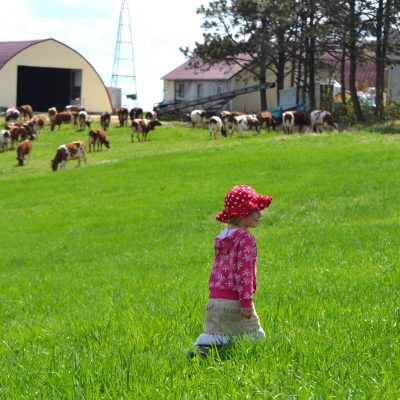
On a January evening in western Minnesota, Carol Ford braves 20-degree temperatures and a wind that’s packing snow as she walks the few yards from her house to the garage. Once inside, she approaches a door with a colorful, hand-painted sign above it that reads: “The Door into Summer.” She opens the door and, sure…  Read More

LSP’s 2021 MN Legislative Priorities

For months, Land Stewardship Project members have been preparing to hit the ground running during the 2021 Minnesota legislative session to advance rural economic justice across the countryside. The 2021 session begins Tuesday, Jan. 5, and we need you with us. When we come together across zip codes, class, gender, and race, united in our…  Read More

LSP’s 2021 MN Legislative Priorities

For months, Land Stewardship Project members have been preparing to hit the ground running during the 2021 Minnesota legislative session to advance rural economic justice across the countryside. The 2021 session begins Tuesday, Jan. 5, and we need you with us. When we come together across zip codes, class, gender, and race, united in our…  Read More

Battling Diabetes on the Street & in the Garden

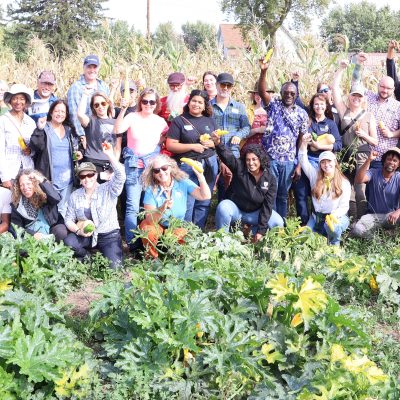
One can almost detect the longing in Denise Crews’ voice when she describes what foods she misses the most since she was diagnosed with Type 2 diabetes. “The hardest thing to give up was the fried chicken—Popeyes, Kentucky Fried Chicken. Their biscuits. The grease,” Crews told me during a recent LSP podcast interview at a…  Read More

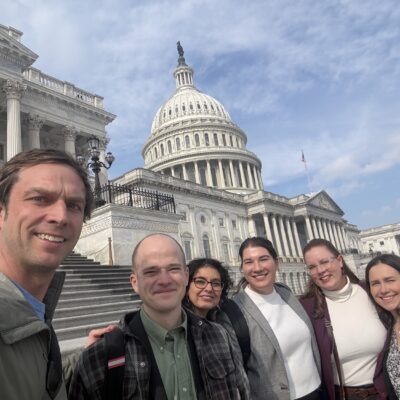
Area Farmers Share Land Access & Marketing Concerns with Legislators From 9 States

Pre Farm-Aid SIX Tour Highlights Environmental, Health Benefits Provided by Cannon Falls & Rochester Farmers 

CANNON FALLS, Minn. — Shea-Lynn Ramthun stood in a recently harvested oat field on her family’s farm near Cannon Falls last week and described to a couple dozen lawmakers a dilemma that’s all-too-common in the agriculture business: she had just successfully raised a bumper crop, only to run into the brick wall of not having…  Read More

Time to Level the Farming Playing Fields for BIPOC

Systemic racism is ingrained in all of our institutions, including our farm and food system. Achieving structural change and justice begins with standing together, walking alongside each other, and lifting up voices that need to be heard to express outrage and to demand a new status quo. In honor of “Juneteenth,” the annual holiday commemorating…  Read More

Another Farm Crisis Looms, but it’s Not too Late to Take Action

Farming, we love this life. No matter what type of farmer you are, we all know how tough it can be to live the farming life. From unpredictable weather, markets we have no control over, input cost increases, equipment breaking down, exhaustion, and now tariffs — the U.S. agriculture system is entering a crisis not…  Read More

Don Wyse’s Land Grant Legacy

It's Imperative Forever Green Stays True to its Foundations: Farmer-Centered, Accountable to the Public, Rooted in the Land

Back in 1998, I was working on an article for the Land Stewardship Letter about how the lack of biodiversity in agriculture was threatening the agronomic, ecological, and economic future of Midwestern farming communities. One of the people I interviewed was Don Wyse, a respected University of Minnesota plant scientist who had recently helped coordinate…  Read More

Stewardship, Justice & Democracy

At the Land Stewardship Project, among member-leaders and staff, we’ve been thinking more about our work in the context of economic, racial, and gender equity in this country, and how that relates to core values of LSP, like stewardship, justice, community, democracy, and health. Land Stewardship Project’s board is meeting this week to give a…  Read More

Restoring the Resource

I coordinate a project in western Minnesota that is based on the idea that producing positive environmental impacts in a watershed can happen without having to remake the entire region’s landscape. Scientific studies and on-the-farm experience suggest that just a 10 percent increase in diverse crop rotations, grasses and other perennial plant systems can be enough to meaningfully improve the safety of the water, reduce flood potential, restore wildlife habitat and stimulate a thriving local and regional foods economy. This is especially true if we can target fields that are particularly sensitive to problems like erosion.